

The Art of Interpreting Night — Milky Way Landscapes
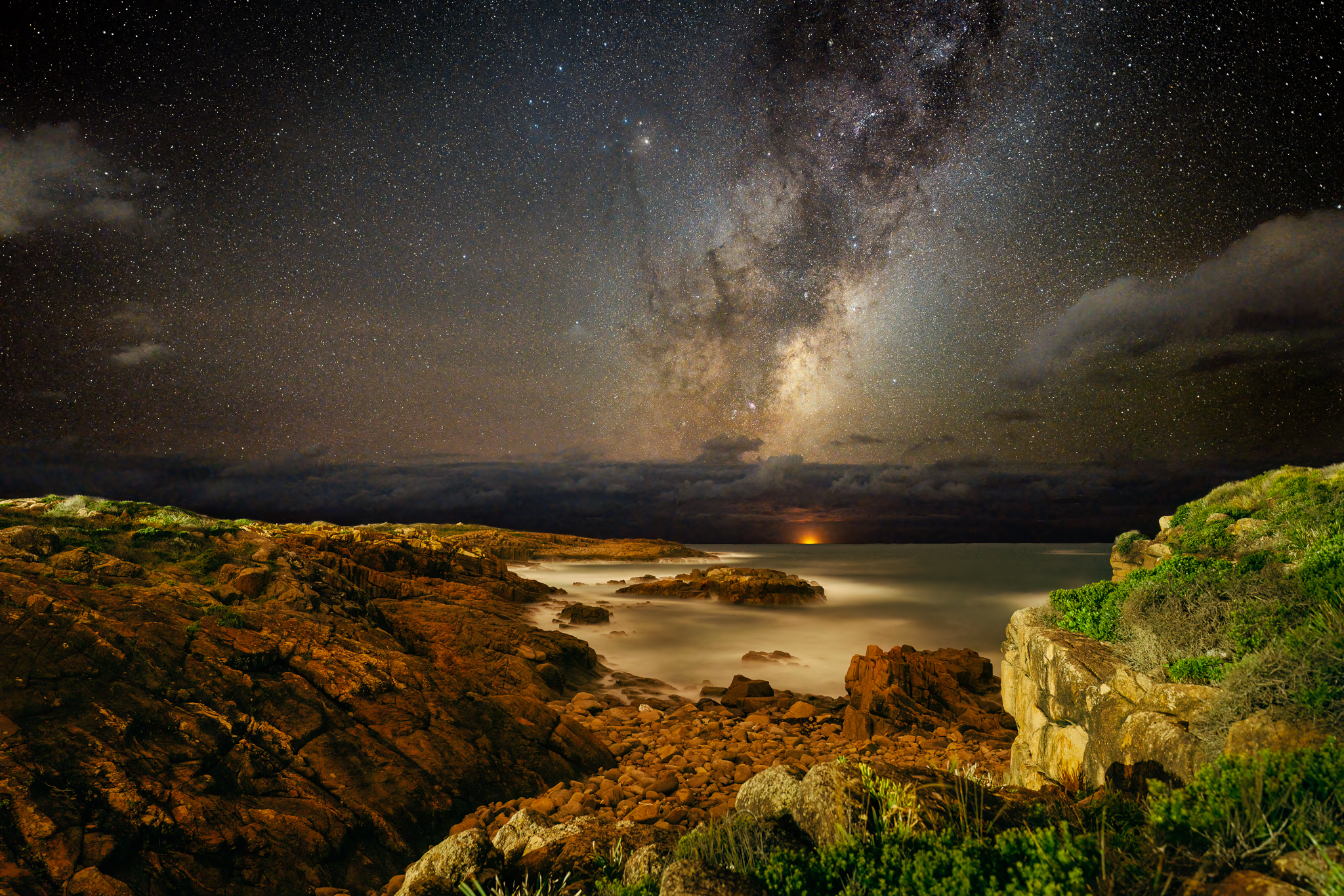
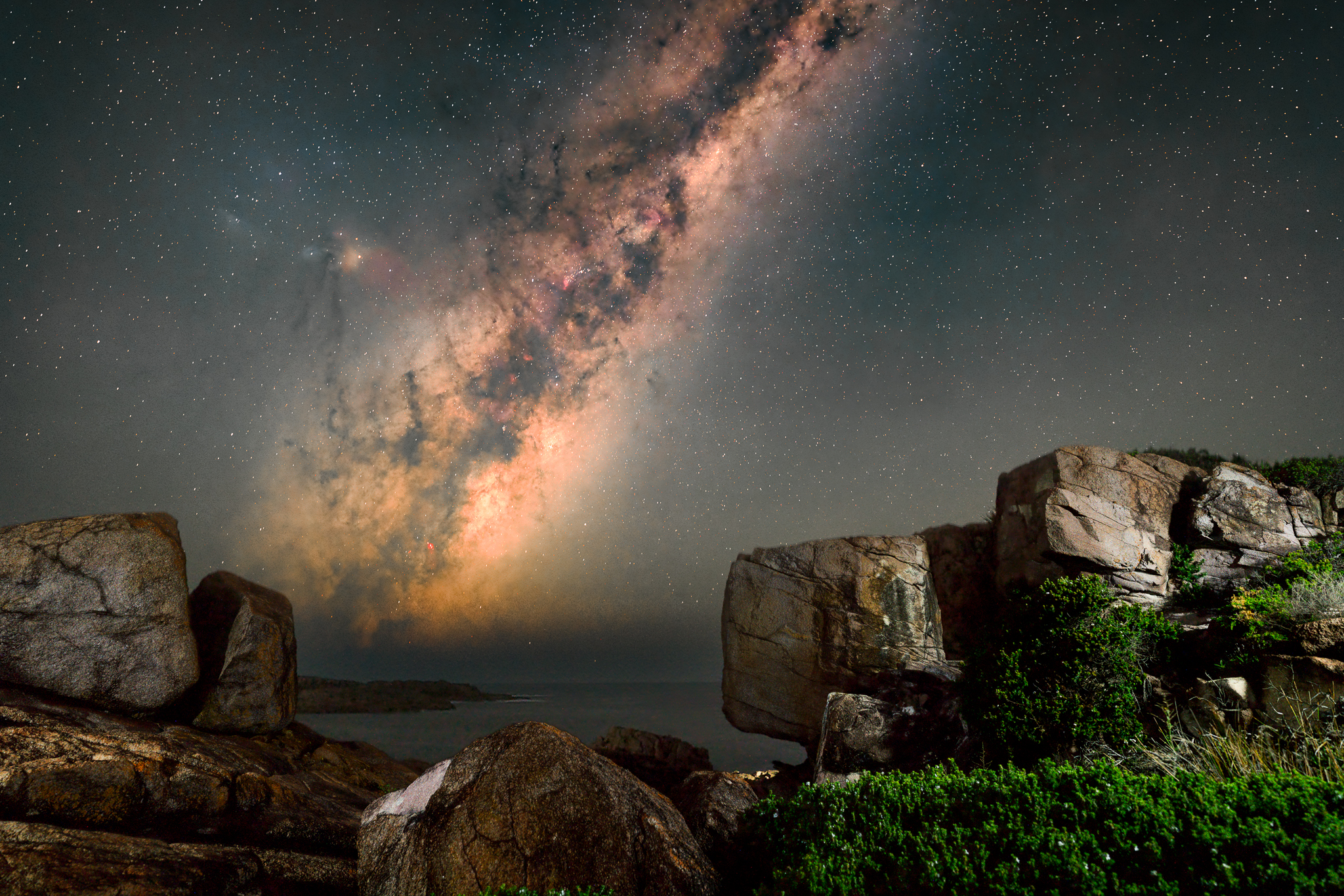
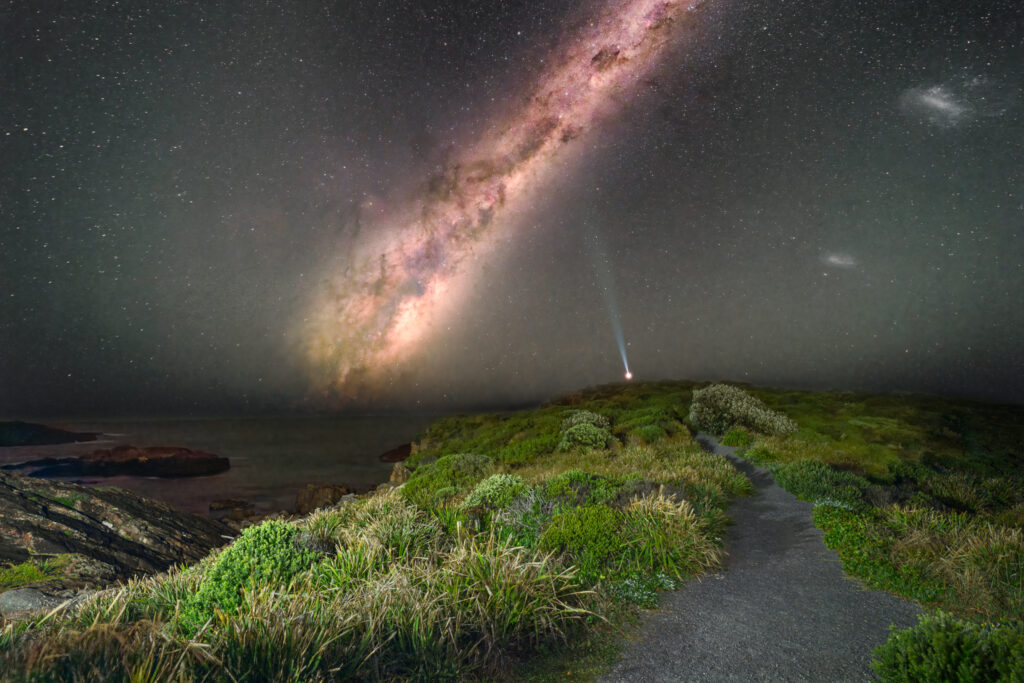
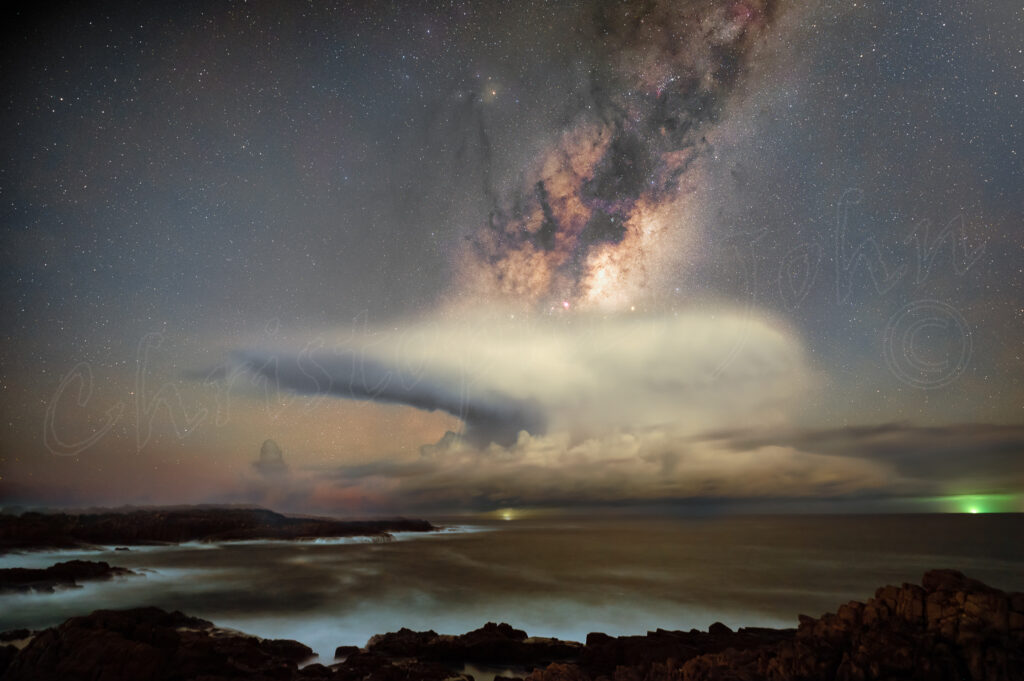
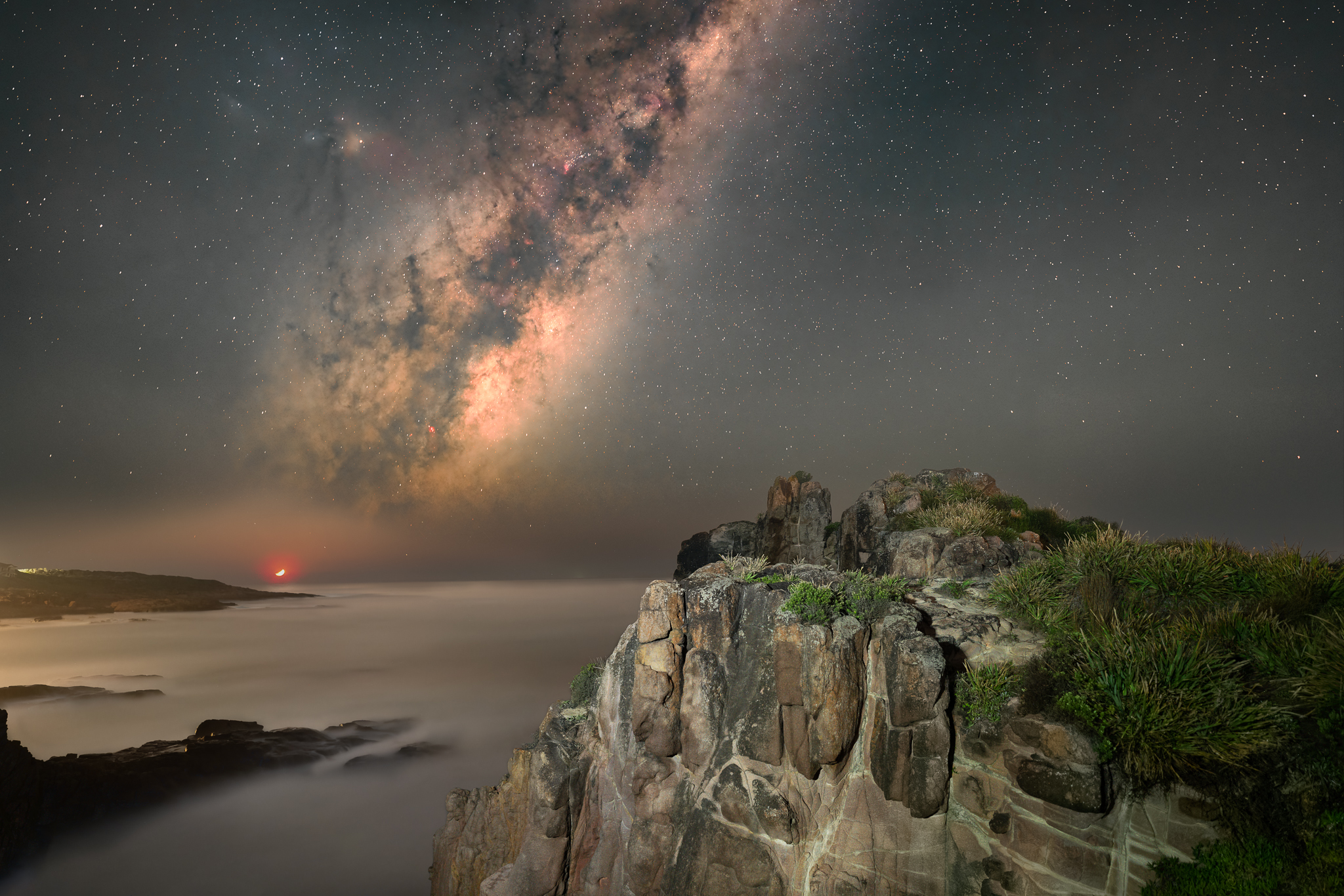
Boat Harbour is a rugged coastal location near Anna Bay, known for its rock platforms, headlands, ocean views and strong photographic potential across changing light and conditions. It is well suited to photography workshops focused on seascapes, long exposure, sunrise, coastal composition, whale watching in season and night sky photography.
Christopher John
The Crafted Image Academy
This Milky Way photography workshop at Boat Harbour in Port Stephens is part of the Crafted Image Academy “Art of Interpreting” series — workshops designed to help photographers move beyond technique and begin working with timing, positioning, and changing conditions.
Most photographers chase the Milky Way.
Stronger photographers learn to work with it.
This session focuses on interpreting the night sky as it evolves — recognising where the Milky Way will appear, how conditions are changing, and making deliberate decisions before the moment passes.
The Art of Interpreting Night is a guided night photography experience at Boat Harbour, where coastal foregrounds, open skies, and changing atmospheric conditions create the opportunity to shape more considered Milky Way landscape images.
As the night sky shifts through the evening, you’ll work with the position of the Milky Way, the foreground, and changing atmospheric conditions — learning to anticipate how the scene will evolve and adjust your approach accordingly.
This may include selectively introducing light into the scene, or using additional techniques when they support the photograph — rather than relying on them.
Many photographers reach a point where technique is no longer the limitation.
This is where interpretation begins to shape the photograph.
Photography isn’t just about what you see — it’s about recognising what is about to happen, and positioning yourself before it does.
This Milky Way photography workshop takes place along the rock platforms of Boat Harbour in Port Stephens, NSW, where open coastal views and minimal light obstruction provide ideal conditions for working with the night sky.
What You Will Work With in this Milky Way Photography Workshop
- reading the night sky and anticipating Milky Way position
- timing and positioning rather than reacting late
- working with foreground and sky as a connected composition
- recognising changing light, cloud, and atmospheric conditions
- making deliberate decisions before the moment arrives
- selectively introducing light or additional techniques when they support the photograph
- refining how you approach astrophotography in the field
Who This Workshop Is For
This workshop is ideal for photographers who:
- understand the basics of aperture, shutter speed and ISO
- feel comfortable using their camera in manual mode
- have photographed the Milky Way or night sky before
- are ready to move beyond trial-and-error and start working more deliberately
- want to refine how they approach astrophotography in real conditions
You do not need advanced equipment — just a camera you are comfortable using
Important
This workshop takes place after dark to align with Milky Way visibility and optimal night conditions.
We will be working across uneven coastal rock formations at night. A reasonable level of mobility and confidence moving on natural surfaces is required.
Participants should arrive early to allow time for setup before shooting begins.
Key Skills You’ll Develop
- Reading the night sky and anticipating Milky Way position
- Timing and positioning rather than reacting late
- Working with foreground and sky as a connected composition
- Recognising changing light, cloud, and atmospheric conditions
- Making deliberate decisions before the moment arrives
- Selectively introducing light or additional techniques when they support the photograph
- Refining a more intentional approach to astrophotography
What’s Included
- Guided Milky Way photography session under the night sky
- Demonstrations and guidance in real shooting conditions
- Field-based learning while working with the night sky
- Individual guidance and feedback while photographing
- Small group environment for personalised learning
Gear You’ll Need
- Camera (DSLR or mirrorless with manual control and self timer)
- Fast prime Wide-angle lens (ideally f/2.8 or faster, 14–24mm range preferred)
- Tripod for stability in low light and longer exposures
- Spare batteries (long exposures drain power quickly)
- Remote camera release
- Lens cloth for night air
- Memory cards
- Torch or headlamp (red light preferred)
- Comfortable walking shoes suitable for uneven rock surfaces
- Warm clothing (conditions can be cooler at night)
- Portable chair or ground mat (for comfort during setup and waiting periods)
- Water / hydration
Hands-On Experience
Photography is developed through working in real conditions, not in a classroom. During our workshops you’ll be actively photographing in real environments while exploring light, composition, and timing. Practical guidance in the field helps participants build confidence and develop their own photographic approach.
Expert Guidance
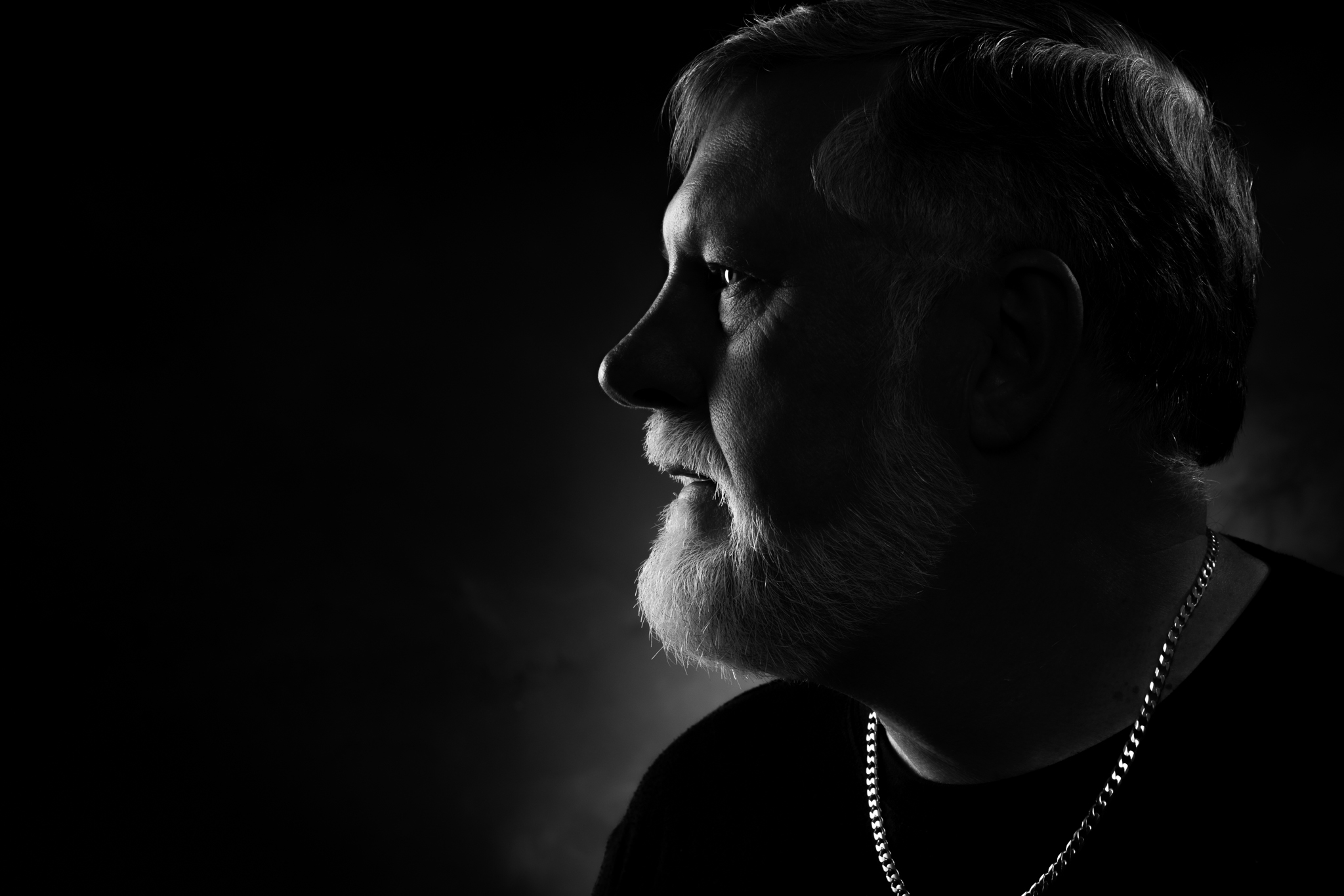
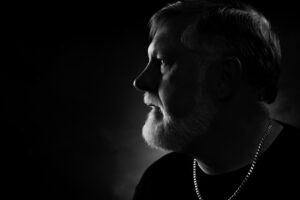
Work alongside professional photographer and educator Christopher John, whose workshops focus on helping photographers move beyond camera settings and develop a clearer understanding of how strong photographs are shaped through timing, light, and decision-making. Participants receive clear explanations, demonstrations, and guidance throughout the session.
Networking Opportunities
Workshops bring together photographers who share a curiosity about the craft of photography. Participants often find these sessions a great opportunity to connect with like-minded creatives, share ideas, and build friendships within the local photography community.
Grow Your Portfolio
Each workshop location is carefully chosen to provide strong photographic opportunities. Participants leave not only with new images, but with a clearer understanding of how light, timing, and composition come together to create photographs that feel intentional and considered.
Christopher John is a professional photographer and photography educator with more than four decades of experience behind the camera.
Through The Crafted Image Academy, he helps photographers move beyond simply operating a camera and begin to understand how strong photographs are created — by learning to recognise light, composition, timing, and the visual relationships within a scene.
Christopher’s workshops are known for their supportive atmosphere, clear explanations, and practical guidance, helping photographers build confidence while developing their own creative vision.
At the heart of his teaching is a simple idea:
Great photographs are crafted, not captured.
Rather than focusing only on camera settings, Christopher helps photographers develop the ability to see photographs before they are taken — understanding how light, composition, and timing work together to shape meaningful images.
His workshops form part of the Crafted Image Academy learning pathway, helping photographers gradually move from understanding their camera to confidently crafting photographs with intention.
Workshop Questions
Still wondering about this session? These answers cover the details specific to this workshop.
How difficult is the location to access?
The workshop takes place on the rock platforms at Boat Harbour, with a short walk over uneven terrain.
A reasonable level of mobility and confidence on your feet is recommended, particularly in low light conditions.
Do I need to be an experienced photographer?
This is a Refining Vision – The Art of Interpreting workshop.
Participants should already be comfortable with manual camera settings, focusing in low light, and capturing a basic Milky Way image.
The session focuses on refining how you work with the night sky — interpreting changing conditions, positioning the Milky Way, and making deliberate decisions in the field rather than learning basic technique.
What kind of photography will we be doing?
This workshop focuses on working with the Milky Way in a coastal environment — understanding how the relationship between sky and foreground evolves, and how to shape a photograph as conditions change.
You’ll be working in low light with long exposures and a constantly shifting night sky, learning to anticipate those changes and make more deliberate decisions in the field.
Will we photograph the Milky Way on the night?
Yes — the workshop is scheduled to align with Milky Way visibility and positioning.
Conditions such as cloud cover can affect visibility, but this session focuses on working with the night as it unfolds — recognising opportunities, adapting to changing conditions, and making deliberate decisions whether the Milky Way is clearly visible or not.
Are filters required for this workshop?
No — filters are not required for astrophotography at this location.
The workshop focuses on working with the available light from the night sky — making deliberate decisions around exposure, timing, and how the scene is interpreted in low light conditions.
What happens if the weather is poor?
Astrophotography is weather dependent.
If conditions are unsuitable (such as heavy cloud or rain), the workshop may be postponed and rescheduled.
If the session proceeds, you’ll be working with the conditions available on the night — learning to recognise opportunities and adapt your approach as the sky evolves.
You’ll be notified in advance if any changes are required.
General Workshop Questions
Have more questions about CIA workshops? These answers cover the things photographers most often ask.
Are your courses suitable for beginners?
Yes — many of our workshops are designed specifically for beginners, while others are aimed at photographers who already have some experience.
The Crafted Image Academy uses a clear learning pathway to help photographers build confidence step by step, from foundations and beginner classes through to more advanced and specialist workshops.
Each workshop page explains who the session is best suited for, so you can choose the right fit for your current level.
What should I bring to a workshop?
Please bring your camera, a fully charged battery, memory cards, and any lenses you have available.
A notebook can also be helpful for jotting down tips and ideas during the session.
If you have specific accessories you would like to use, feel free to bring them along. Any workshop-specific equipment recommendations are listed above under “Gear You’ll Need.”
Do you provide equipment for workshops?
Participants are encouraged to bring their own camera and equipment wherever possible.
In some workshops, basic shared gear such as tripods or filters may be available to demonstrate techniques, but this will vary depending on the session.
If you are unsure what to bring, or whether your current gear will be suitable, feel free to get in touch before booking.
How long are the workshops?
Workshop lengths vary depending on the topic and format.
Most short workshops run for around 2 to 3 hours, while some sessions may run longer depending on the location, learning objectives, or shooting conditions.
You’ll find the duration listed clearly on each individual workshop page.
What happens in case of inclement weather?
Photography often involves working with changing weather and light, and in many cases the session can still go ahead safely and successfully.
If conditions are likely to make the workshop unsafe or significantly reduce the planned learning experience, you will be notified as early as possible.
Where a workshop cannot proceed, you will be offered the option to rebook for a future session or receive a voucher, depending on the circumstances.
What is your cancellation policy?
If you need to cancel your booking, please refer to the cancellation terms listed at the time of booking, as these may vary depending on the workshop or booking platform.
If you have any questions about your booking, or an unexpected situation arises, please get in touch and we will do our best to assist.
Can I get feedback on my work?
Yes. Feedback is an important part of learning, and many workshops include opportunities for participants to ask questions, review images, and receive guidance during the session.
The focus is always on supportive, practical feedback that helps you better understand your camera, your technique, and your photographic choices.
Do you offer private tutoring?
Yes — private tutoring is available for photographers who would like more personalised guidance.
These sessions can be tailored to your experience level, interests, and learning goals, whether you want help with camera skills, composition, editing, or a particular area of photography.
If you are interested in private tuition, please get in touch to discuss availability.
What photography courses do you offer?
At The Crafted Image Academy, workshops are structured around our CIA Learning Ladder, designed to help photographers progress step by step.
Workshops range from Photography Foundations and Beginner Classes, through to Beyond the Basics developmental workshops, and Advanced Photography and Specialist Experiences exploring more advanced techniques and creative approaches.
Each workshop focuses on hands-on photography in real environments, helping participants build both technical confidence and creative understanding.
Whether you are just starting out or looking to refine your skills, there is always a clear next step in your photographic journey.
How do I book a workshop?
Booking is simple. Just visit the workshop page, select the session you would like to attend, and follow the booking prompts.
Once your booking is complete, you will receive a confirmation email with the relevant details.
If you have any difficulty during the booking process, feel free to get in touch.
What payment methods do you accept?
We currently accept Visa and MasterCard through our secure online booking system.
If you need help with payment, or have a question before booking, please feel free to contact us.
Can I contact you with further questions?
Of course. If you have any questions about a workshop, your equipment, or which session may be right for you, please feel free to get in touch.
We’re always happy to help you choose the most suitable next step in your photography.