Introduction
Long Exposure Landscape Photography is often described as a technical process — neutral density filters, tripods, long shutter speeds, and calculations are usually front and centre. But is that really what it’s about?
A lot of photographers have what I call the “now I have the gear, I can shoot this or that” attitude — and let’s be honest, we’ve all been there.
You buy a new tripod, lens, or filter set so you now have the right gear to create images you’ve been waiting to capture.
Your answer to the questions above will shine a light on where you are in your photography journey. While these tools are often necessary, they are not what truly defines Long Exposure Photography.
I believe that at its core, long exposure photography isn’t really about filters or gear at all. It’s about patience — learning to slow down the way you photograph, observe, and make deliberate decisions before pressing the shutter.
For many photographers, this represents a shift: moving away from a gear-focused mindset of “I can capture this now” toward a way of thinking that prioritises intent, restraint, and observation. This shift is what allows your photography to grow beyond what simply owning the right equipment can ever deliver.
By taking a patience-led approach, you begin to understand what truly makes long exposure such a powerful learning experience.
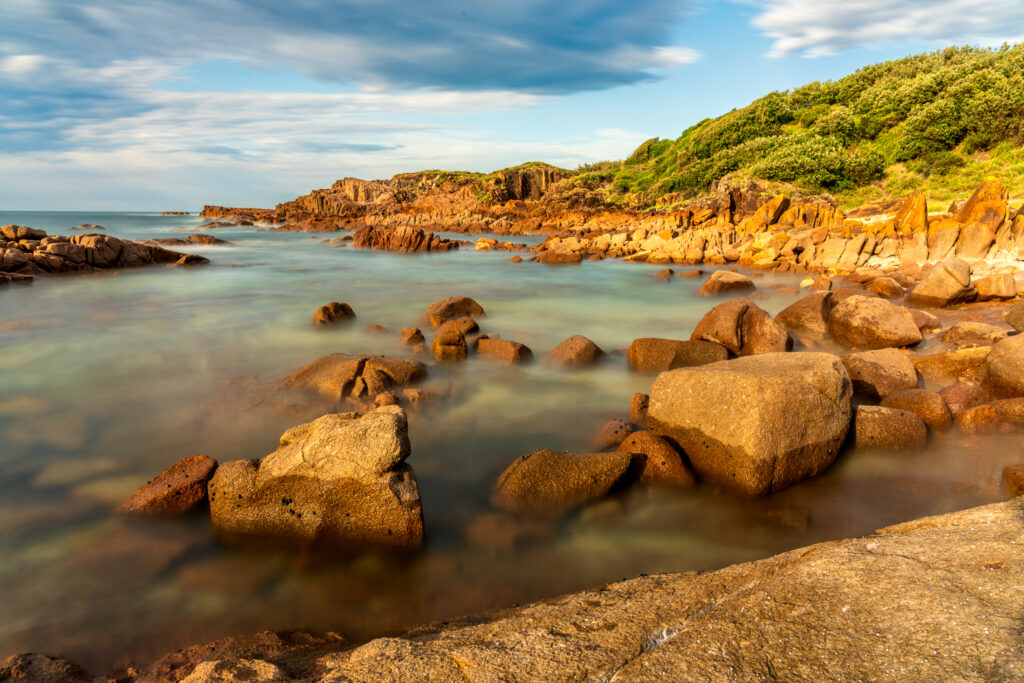
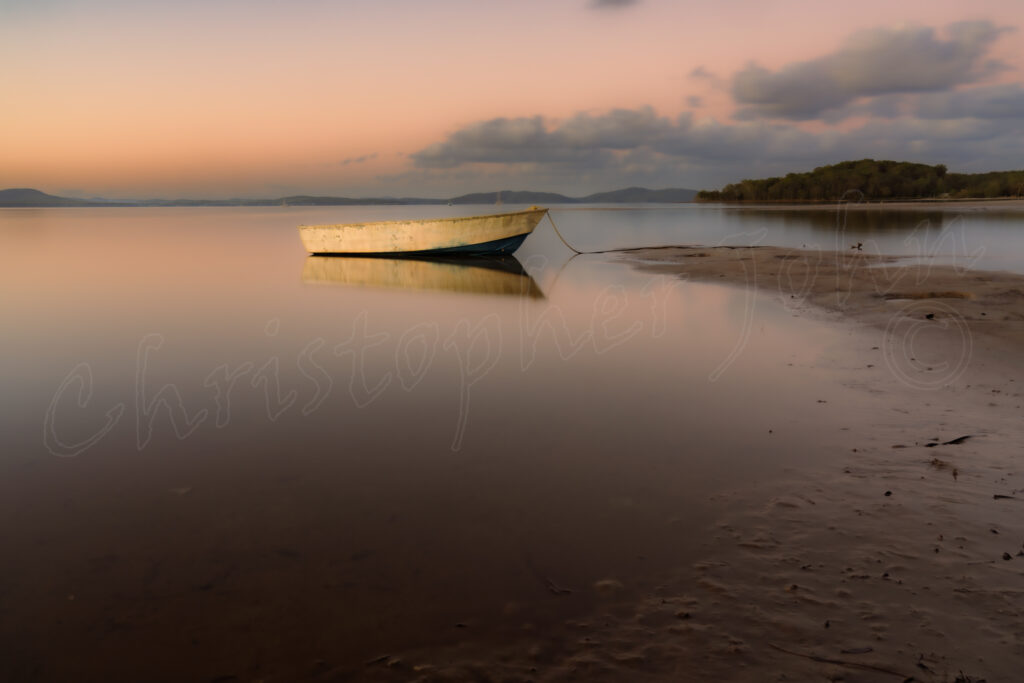
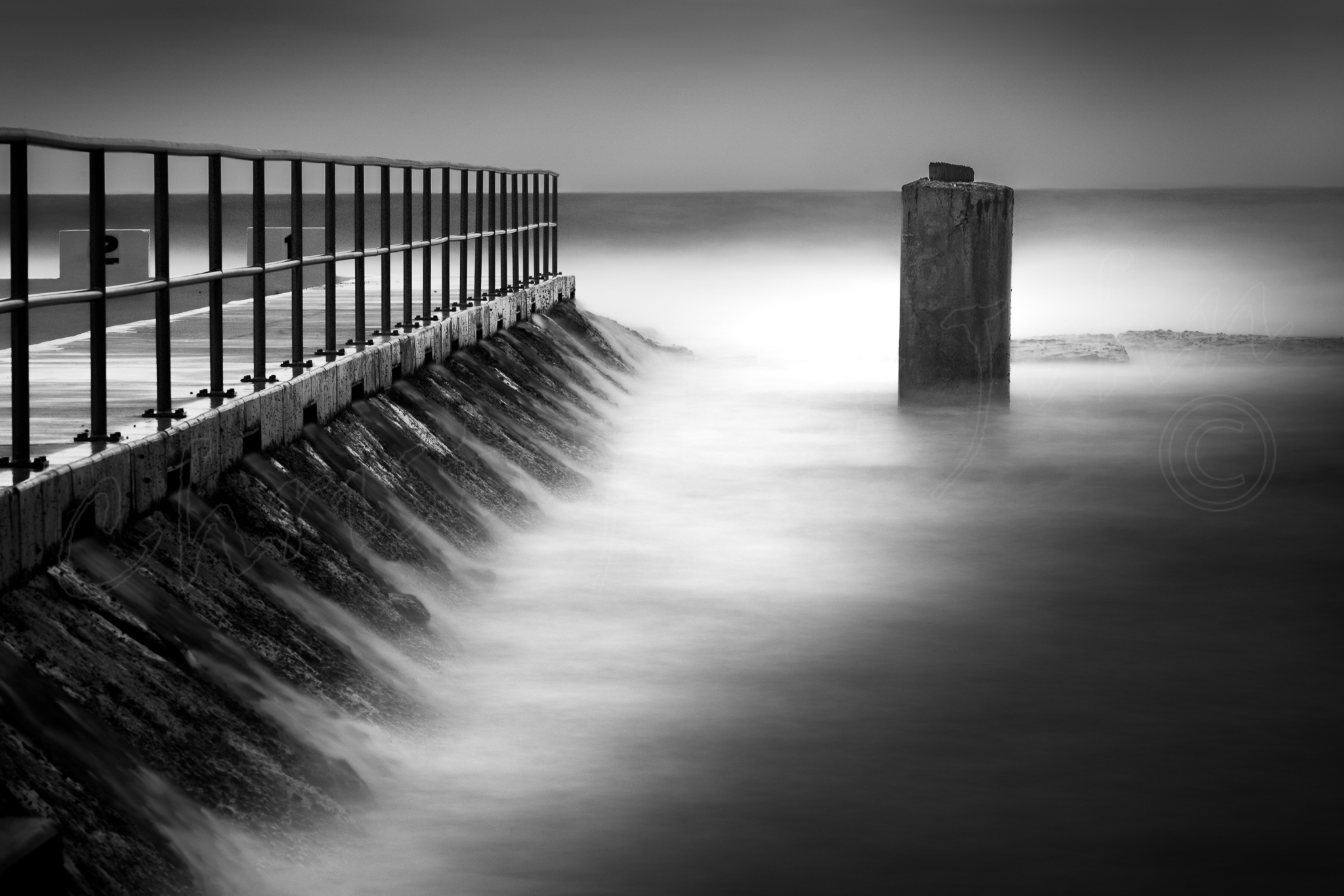
Time simplifies movement, revealing structure through patience.
Slowing the Process Changes the Outcome
When you photograph fast-paced genres of photography, decisions are often made instinctively, whereas in Long Exposure Photography the need to concentrate on obtaining longer exposure times removes that entirely, causing a natural lean towards a more thoughtful photographic approach.
When your shutter speeds stretch into seconds or minutes, you are forced to pause. You consider composition more carefully. The relationship between foreground, midground, and background becomes clearer. Light is no longer treated as a fleeting moment, but as something that evolves over time.
This slower process encourages you into intentional photography — no longer reacting to a scene, but actively engaging with it. This way of working carries directly into panoramic photography, where images are built through patience, observation, and intentional composition rather than speed or equipment.
Time Becomes a Creative Tool
Long exposure introduces time as a visible element in the image.
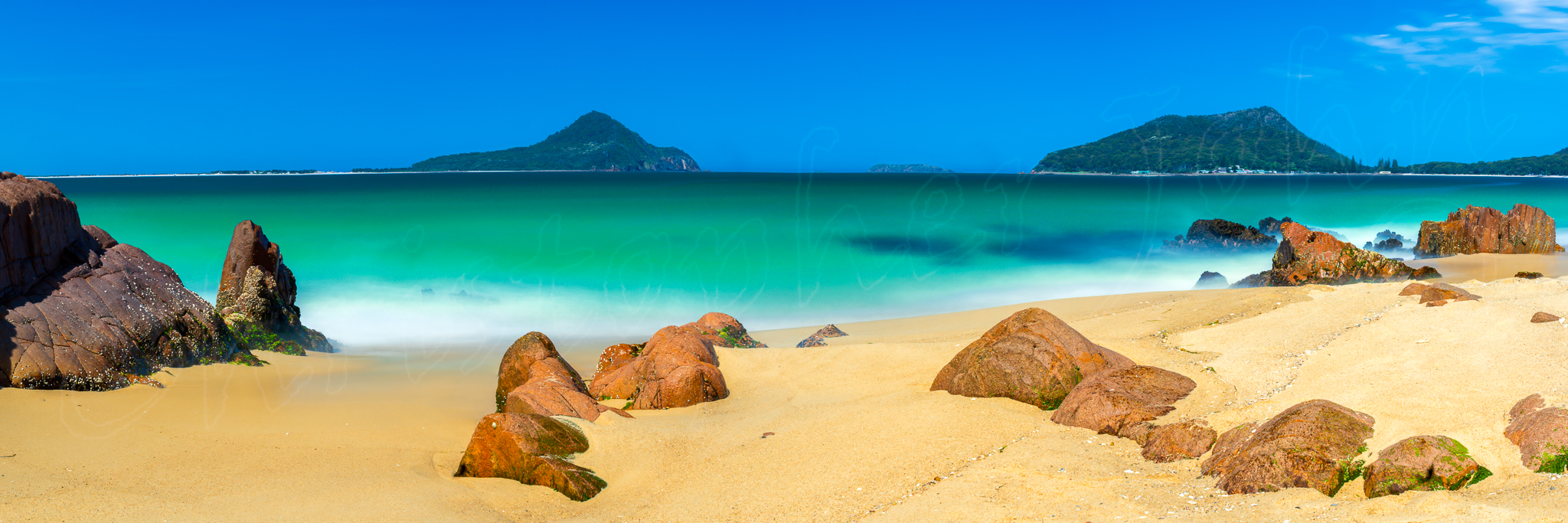
Moving water softens into flowing lines. Clouds stretch and blur, revealing direction and rhythm. Crowds disappear, leaving behind a sense of place rather than presence. Static elements gain visual weight as motion is simplified.
Understanding how time affects a scene requires observation before you take the photograph. It means watching how waves break, how clouds move, and how light shifts across the landscape — often for several minutes — before committing to the exposure.
This process builds patience naturally.
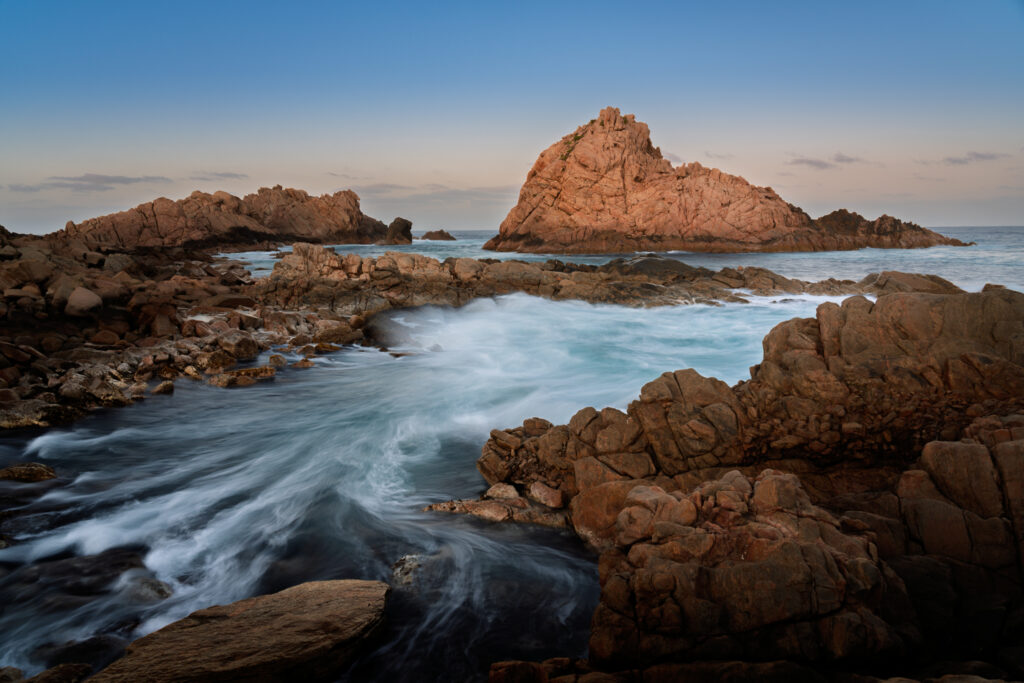
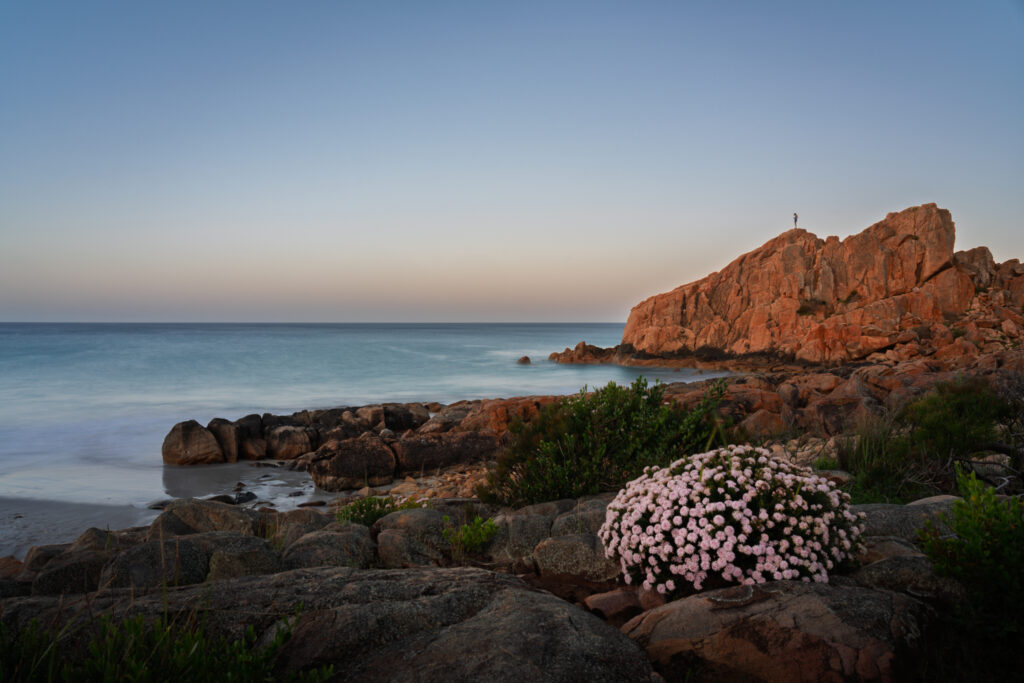
Time doesn’t change the scene — it changes how we understand it.
Filters Don’t Create the Photograph
Neutral density filters are often treated as the key to long exposure photography. In reality, they simply make longer shutter speeds possible in brighter conditions.
What they do not provide is:
- Composition
- Subject awareness
- Timing
- Intent
Without these elements, a long exposure becomes an effect rather than a photograph — and an effect without purpose rarely holds interest.
Filters are tools.
Patience is the skill that determines whether they are used effectively.
Learning to Wait Improves Decision-Making
One of the most valuable lessons long exposure photography teaches you is knowing when not to press the shutter.
Waiting for:
- A cleaner wave pattern
- Better cloud separation
- Balanced movement within the frame
- A shift in light that strengthens the composition
When you concentrate your efforts in this manner, restraint becomes a strength. It translates into stronger photographic judgement across all genres. You begin to see more clearly, shoot less impulsively, and trust observation over urgency.
Why Long Exposure Is a Foundational Learning Experience
If you approach Long Exposure Photography in the way outlined here, you’ll often discover that improvements extend well beyond landscape photography.
The skills you develop — patience, planning, composition, and awareness — apply equally to street photography, nature photography, and even action photography. Long exposure slows you down enough to understand why an image works, not just how it was captured.
Putting Patience Into Practice
The best place for you to learn Long Exposure Photography is in the field, where conditions change and decisions must be made deliberately. This is your baptism of fire — something to be embraced, not avoided.
This approach is central to how our field-based photography workshops are run, where photographers are encouraged to slow down, observe carefully, and make deliberate decisions in real locations.
Attending workshops and guided photo walks will provide you the opportunity to:
- Observe scenes without pressure
- Ask questions in real time
- Understand how settings, light, and timing interact
- Develop confidence through experience rather than theory
So, long exposure photography isn’t really about mastering equipment, is it?
It’s about mastering yourself — and the pace at which you photograph.
When patience leads your process, the tools simply follow.
Want to go deeper?
Explore workshops at craftedimageacademy.com that focus on visual storytelling, panoramic photography, and learning to see more intentionally — no matter what camera you use.